
This role has a low level of AI exposure. Core skills such as adaptability, social intelligence, and complex physical tasks remain beyond the capabilities of current AI.
Explore all careers
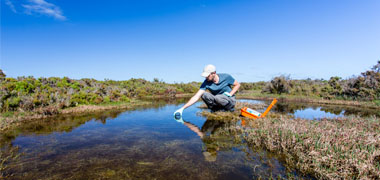
A Fisheries Officer patrols waterways to ensure sustainable fishing practices, enforce laws, inspect catches, and engage in educational activities.
In Australia, a full time Fisheries Officer generally earns $1,730 ($89,960 annual salary) before tax. This is a median figure for full-time employees and should be considered a guide only. As you gain more experience you can expect a potentially higher salary than people who are new to the industry.
 Courses.com.au Team
There are only a small number of people working as a Fisheries Officer but this number has remained steady over the last five years. Currently there are 410 Fisheries Officers in Australia. Fisheries Officers work in all areas of Australia in both marine and freshwater environments.
Source: Australian Government Labour Market Insights
Courses.com.au Team
A Diploma of Aquaculture is a good qualification if you’re hoping to become a Fisheries Officer. This course usually takes two years and covers aspects of aquaculture that may be relevant to a Fisheries Officer career.
Courses.com.au Team
Browse occupations related to Fisheries Officer

If you're looking to embark on a rewarding career as a Fisheries Officer, exploring the Fisheries Officer courses in Canberra is an excellent starting point. These courses are designed to provide you with the essential skills and knowledge required to manage and protect aquatic resources effectively. Given Canberra’s connection to various water bodies and its commitment to environmental sustainability, this career path has never been more crucial. The training is delivered by accredited Registered Training Organisations (RTOs) dedicated to equipping you with industry-relevant competencies.
The path to becoming a Fisheries Officer is intertwined with numerous fields of study, including Agriculture courses and specialised training in Fishing and Aquaculture. These interconnected disciplines not only broaden your career prospects but also enrich your understanding of sustainable fishery practices. As you immerse yourself in these courses, you'll gain insights into the science behind aquatic ecosystems, regulatory frameworks, and the best management practices that are vital for maintaining biodiversity.
Further examination of the courses reveals a variety of related job roles that you may find appealing. After completing your Fisheries Officer courses in Canberra, you could consider opportunities as a Hatchery Technician, Aquaculture Technician, or even an Aquaculture Manager. Each of these roles plays an integral part in the sustainable management of our aquatic resources, and the knowledge you gain will make you a well-rounded candidate in the competitive job market.
In Canberra, the demand for skilled professionals in the aquaculture sector is growing. You may also explore roles such as Seafood Process Worker, Aquaculture Worker, or even a Fisheries Scientist. Each position offers unique challenges and rewards that contribute to the health of our waterways and fisheries. The skills acquired through the Fisheries Officer courses will serve you well as you navigate these diverse opportunities.
